Black White Rose Embroidery Design Review
A First Glance at Black White Rose
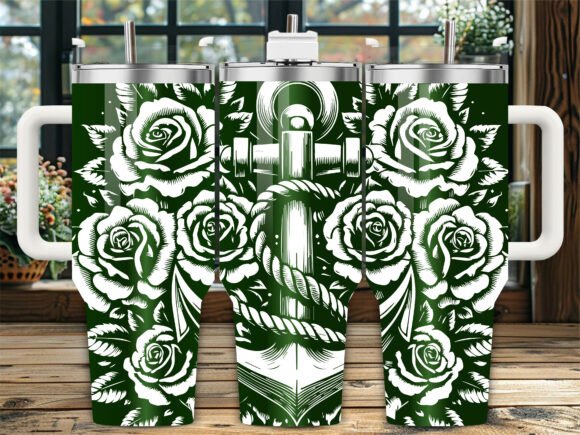
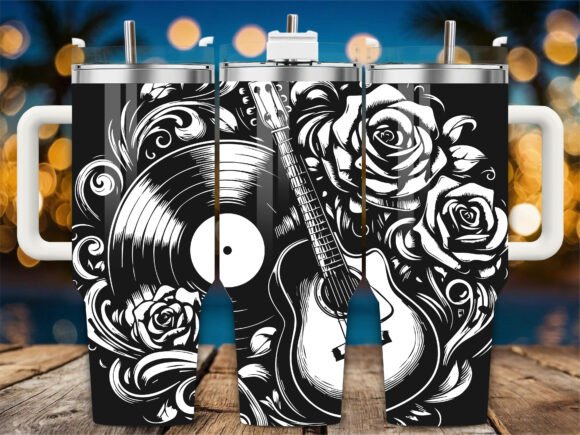
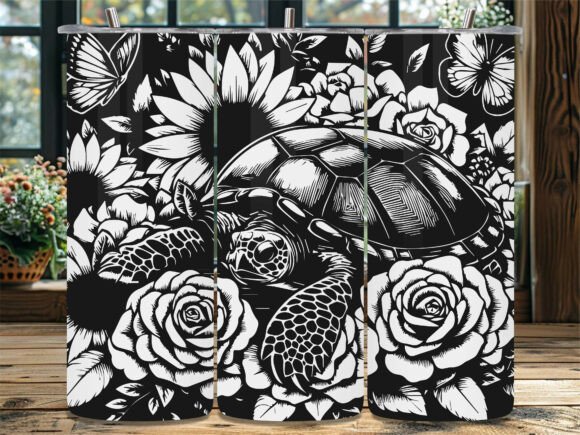
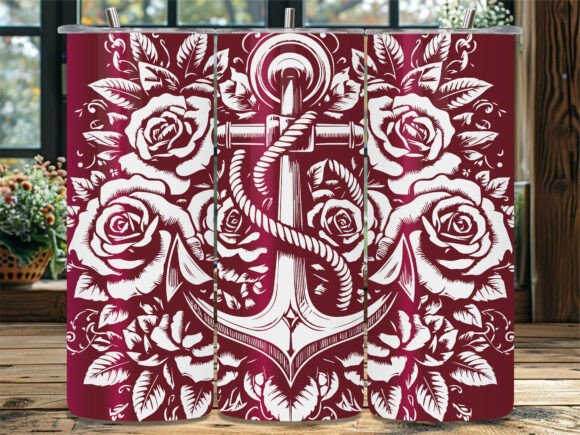
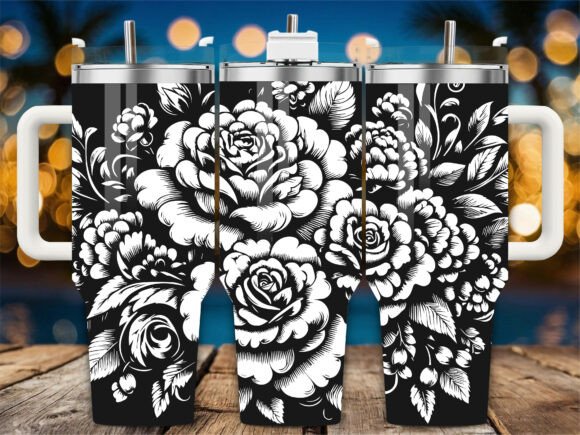
At first glance, Black White Rose feels like a quiet statement in embroidery design. It’s not loud or overly detailed—it carries a sense of elegance and simplicity that speaks to those who appreciate understated beauty. The rose shape is clean, with defined lines and a balanced composition that makes it feel both classic and modern. The contrast between the black and white elements gives it a strong visual punch without overwhelming the eye.
This design naturally belongs in projects that call for sophistication—think custom apparel, embroidered patches, or even nursery decor. Its minimalism makes it versatile, but its structure ensures it won’t get lost on busy fabrics or layered garments.
How Black White Rose Stands Up in Real Projects
I tested Black White Rose on a custom tote bag I was preparing for a small shop client. The fabric was a medium-weight cotton canvas, which is a common choice for handmade products. The design stitched cleanly, with no distortion or fraying. The sharp edges of the rose stood out nicely against the natural texture of the fabric.
On a sweatshirt, the same design maintained its clarity even when placed near seams or along curved areas. It worked well as an applique, especially when using satin stitch around the outer edges to give it a polished finish. For smaller items like caps or aprons, I found that the design scaled well, though I did have to adjust the hoop size slightly to ensure all details remained intact.
Black White Rose also has potential as a holiday gift item. When stitched on a pillow cover or tea towel, it added a subtle touch of elegance that felt both personal and professional. It didn’t scream “embroidered,” but it had enough presence to make the finished product feel special.
Where to Use with Caution
While Black White Rose is adaptable, there are some scenarios where it might need extra attention. On dark fabrics, the white elements can sometimes appear less vibrant unless paired with a high-quality stabilizer and the right thread colors. I recommend testing it on scrap fabric first to see how the contrast plays out.
For small hoop sizes, the design might lose some of its detail, especially if the rose’s inner petals are too fine. Stretchy fabrics like knits or jerseys may require additional backing to prevent puckering. And while the design works well on flat surfaces, I noticed that on curved items like caps, the corners needed careful alignment to maintain symmetry.
If you're planning to use this for commercial embroidery, be sure to check the licensing terms. As with any digital embroidery file, confirming rights before selling finished products or design assets is essential.
Design Notes for Embroidery Professionals
If you're considering Black White Rose for your next project, here are a few practical tips:
- Test on Scrap Fabric: Always do a test run to confirm stitch density, color contrast, and how the design interacts with the fabric texture.
- Check Thread Colors: Make sure the black and white threads you choose match the design's intended look. Sometimes, off-the-shelf threads can vary in tone.
- Review Stitch Density: If the design includes fill stitches, ensure they’re not too dense for the fabric you're using. This will help avoid stiffness or damage.
- Confirm Hoop Size: Check the recommended hoop size in the file. If you're working with a smaller hoop, consider resizing the design carefully to preserve detail.
- Use Proper Stabilizer: Especially important on stretchy or thin fabrics. A tear-away or cutaway stabilizer can help keep everything in place.
- Test in Black and White Mockups: See how the design looks on both light and dark backgrounds before finalizing your project.
- Compare for Commercial Use: Ensure the design works for both personal and commercial embroidery projects, and always confirm licensing before selling.
Final Thoughts on Black White Rose
Black White Rose is a solid addition to any embroidery designer’s toolkit. It brings a refined aesthetic to a variety of handmade and commercial projects without demanding too much from the fabric or the machine. Whether you're an Etsy seller, a craft fair vendor, or simply looking to add a unique touch to your personal projects, this design has the versatility and clarity to stand out.
Its ability to adapt across different materials and applications makes it a valuable asset for anyone in the crafts industry. Just remember to approach it with the same care and consideration you’d apply to any other machine embroidery design, and you’ll find it delivers consistently good results.